Thursday, January 7, 2016

What happens if interest rates rise in 2016?


At present, 30-year mortgage interest rates remain close to their historical lows. Experts predict that rates will likely increase throughout 2016. According to Freddie Mac, 30-year mortgage interest rates are projected to finish 2016 at or near 4.6%. What does this mean for someone who is looking to purchase a home? Surprisingly, a relatively small percentage change in the interest rate results in a rather abrupt change in the monthly principal and interest payment.

InterestRateComparison.jpg For instance, if you are looking to purchase a home and want to keep the principal and interest payment at $1,000 per month, the initial principal balance that could be afforded at an interest rate of 3.875% is $212,659. If you wait, and the interest rate rises as predicted to 4.6%, the principal balance that you could afford (and keep your monthly payment at $1,000) is only $195,067. Simply stated, if the experts are correct, there will be a very real financial consequence for those who choose to wait to buy a home.
I understand there are many things one must consider when purchasing a home and financial considerations are but one factor. Should you be interested in exploring your home purchasing options, I welcome you to contact me at any time to discuss your options.  
MortgageRatePrediction.png

Wednesday, December 23, 2015

2015 Remodeling Impact: Cost, Return, & Joy


Home remodeling seems like a sure way to increase the value of your home... but will you get it all back in the resale??

Find out which improvement projects actually reap rewards:
This infographic compares REALTORS®' expert opinions on the value of home improvement projects with the joy home owners report reaping from the efforts.

Thursday, December 10, 2015

Thinking about buying a fixer upper and wondering how to finance the repairs?


The idea of buying a fixer-upper and turning it into your dream abode can seem so perfect — every nook and cranny just to your specifications! The reality, however, can be harsh. When you realize how much it will cost to remodel, you often also realize that you can’t afford it. Or you find out that a lender won’t give you a loan because the home is considered “uninhabitable” as it is. That’s where an FHA 203k loan comes in.

An FHA 203k loan is a loan backed by the federal government and given to buyers who want to buy a damaged or older home and do repairs on it. Here’s how it works: Let’s say you want to buy a home that needs a brand-new bathroom and kitchen. An FHA 203k lender would then give you the money to buy (or refinance) the house plus the money to do the necessary renovations to the kitchen and bathroom.

Often the loan will also include: 1) an up to 20 percent “contingency reserve” so that you will have the funds to complete the remodel in the event it ends up costing more than the estimates suggested and/or 2) a provision that gives you up to about six months of mortgage payments so you can live elsewhere while you’re remodeling, but still pay the mortgage payments on the new home.

Which Repairs Qualify?

There are two main types of FHA 203k mortgage loans. The first is the regular 203k, which is given for properties that need structural repairs such as a new roof or a room addition; the second is the streamlined 203k, which is given for non-structural repairs such as painting and new appliances.
Among the other repairs that an FHA 203k will cover: decks, patios, bathroom and kitchen remodels, flooring, plumbing, new siding, additions to the home such as a second story, and heating and air conditioning systems. The program will not cover so-called “luxury” improvements such as adding a tennis court or pool to the property.


How Much Money Can You Get?

 
The maximum amount of money a lender will give you under an FHA 203k depends on the type of loan you get (regular vs. streamlined). With a regular FHA 203k, the maximum amount you can get is the lesser of these two amounts: 1) the as-is value of the property plus repair costs, or 2) 110 percent of the estimated value of the property once you do the repairs. With a streamlined loan, you can get a loan for the purchase price of the home plus up to $35,000. To determine the as-is value of the property or the estimated value of the property post-repair, you may need to have an appraisal done. You will be required to put down 3.5 percent, but the money can come from a family member, employer or charitable organization.

What Kinds of Properties Qualify?

Qualifying homes include: a one- to four-family home that has been completed for a least a year; a home that has been torn down, provided that some of the existing foundation is still in place; a home that you want to move to a new location. The home cannot be a co-op, but some condos are eligible.
Your property will also have to qualify under the usual FHA requirements. For example, its value cannot exceed a certain maximum amount, which depends on where you live.

What Are the Pros and Cons of These Loans?

The main benefit of these loans is that they give you the ability to buy a home in need of repairs that you might not otherwise have been able to afford to buy. Plus, the down payment requirements are minimal, and often you get decent interest rates (note that the interest rates and discount points will vary by 203k lender, so it’s important to make sure that you’re getting a good deal on the loan).
The downsides are that not all properties qualify, there are limits on the funding you can get and applying for the loan isn’t easy. For example, to apply for the loan you may need to hire an independent consultant to prepare the exhibits required (to get the loan, you have to provide a detailed proposal of the work you want to do and cost estimates for each item).

Get more information on 203k loans.

Wednesday, December 9, 2015

What You Really Need To Qualify For A Mortgage


What You Really Need To Qualify For A Mortgage | Keeping Current Matters

A recent survey by Ipsos found that the American public is still somewhat confused about what is actually necessary to qualify for a home mortgage loan in today’s housing market. The study pointed out two major misconceptions that we want to address today.

1. Down Payment

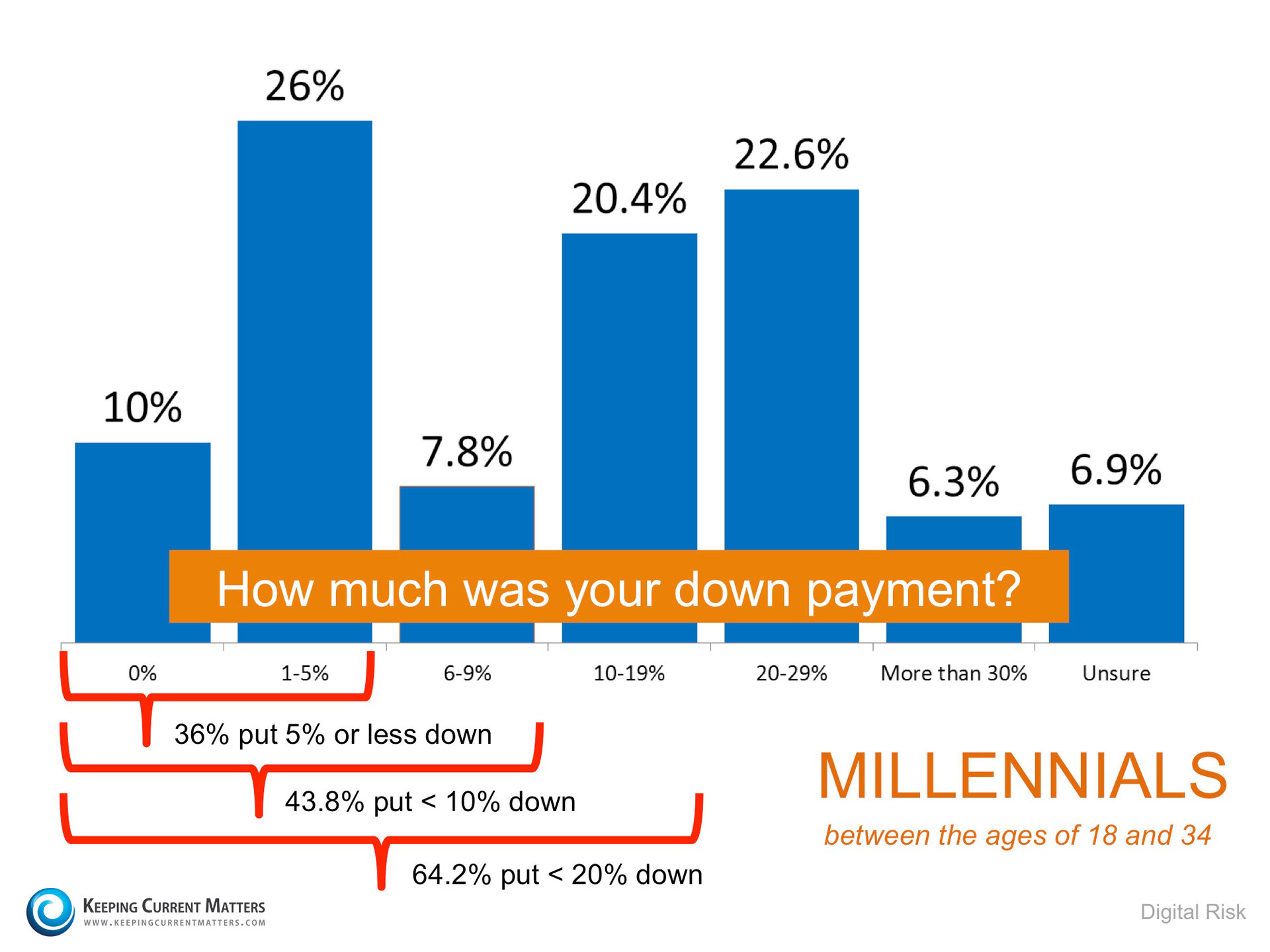
The survey revealed that consumers overestimate the down payment funds needed to qualify for a home loan. According to the report, 36% think a 20% down payment is always required. In actuality, there are many loans written with a down payment of 5% or less.

Below are the results of a Digital Risk survey done on Millennials who recently purchased a home.
Millennials & Down Payments | Keeping Current Matters

2. FICO Scores

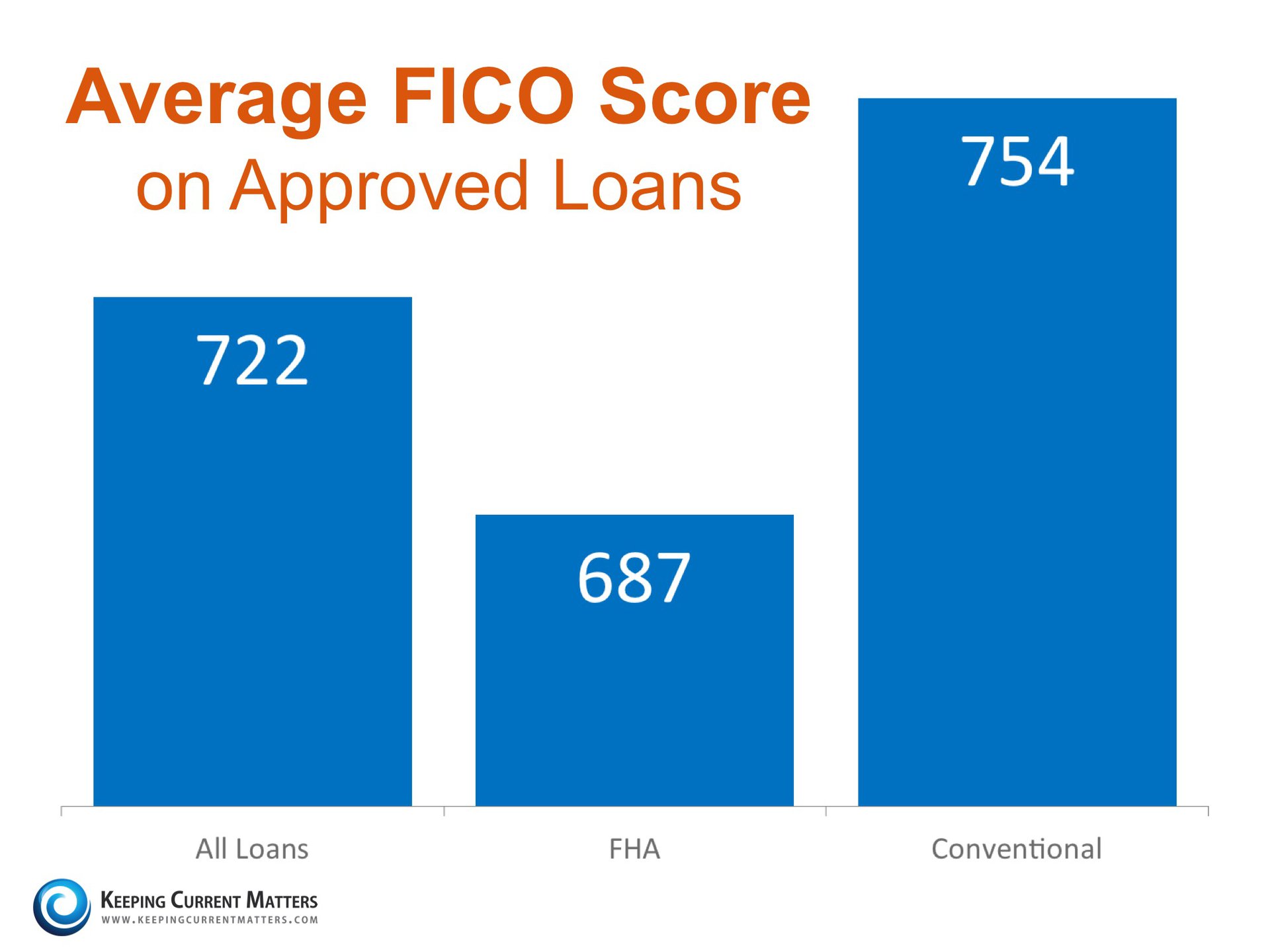
The Ipsos survey also reported that two-thirds of the respondents believe they need a very good credit score to buy a home, with 45 percent thinking a “good credit score” is over 780. In actuality, the average FICO scores of approved conventional and FHA mortgages are much lower.

Below are the numbers from the latest Ellie Mae report.

Average FICO Score | Keeping Current Matters

Bottom Line

If you are a prospective purchaser who is ‘ready’ and ‘willing’ to buy but not sure if you are also ‘able,’ sit down with someone who can help you understand your true options.

Monday, November 16, 2015

10 ways to increase the equity in your home


  1. Rising home prices – when home prices rise, you will gain equity simply because your home will be worth more. For example, if your home is currently worth $100,000, if it rises to $125,000 in five years, you’ll have $25,000 more equity. Unfortunately, the opposite can also occur.
  2. Falling mortgage balance – as you pay off your mortgage each month, you pay a portion of interest and a portion of principal.  Every time you make your mortgage payment you’ll gain some home equity.
  3. Larger mortgage payments – if you make larger payments each month, the extra portion goes toward principal, you will pay off your mortgage much faster and gain home equity a lot quicker.
  4. Biweekly mortgage payments – you can even go with a biweekly mortgage payment plan, where you make 26 payments throughout the year. This will shave down your mortgage term, save you a ton in interest, and help you build home equity a lot faster.
  5. Shorten mortgage term – you can also refinance into a shorter-term mortgage with a lower mortgage rate, such as a 15-year fixed, which will increase the size of your payments, but build equity much faster than a traditional 30-year mortgage.
  6. Avoid refinancing – conversely, if you don’t refinance and pull cash out, you’ll retain all the equity in your home. During the boom, many homeowners refinanced over and over until they sucked their equity dry.
  7. Home improvements – if you make smart home improvements, where the expected value exceeds the cost, you’ll increase your home equity by having a home that’s worth more. While it’s seemingly completely played out, granite countertops and stainless steel appliances still draw buyers in, and you can sell for more.
  8. Maintenance – keep your home in tip-top shape and you will be rewarded when it comes time to sell. If you can unload it for more as a result, you’ve essentially created more equity in your home.
  9. Curb appeal – same goes for staging. Make your home look good when you list it and there’s a better chance it’ll sell, and sell for more. Simple things can make a big difference, such as new paint, carpet, bright lighting, cleanliness, plants, flowers, etc.
  10. Bigger down payment – finally, you can make a larger down payment at the outset to automatically acquire home equity. While this may seem like you’re putting money in an illiquid investment, more equity means a lower loan-to-value ratio, which equates to a lower interest rate and easier-to-obtain financing. Over time, that lower rate will mean less interest paid and more equity accrued.

Thursday, November 12, 2015

4 Reasons to Buy BEFORE Winter Hits


It's that time of year; the seasons are changing and with them bring thoughts of the upcoming holidays, family get-togethers, and planning for a new year. Those who are on the fence about whether now is the right time to buy don't have to look much farther to find four great reasons to consider buying a home now, instead of waiting.


1. Prices Will Continue to Rise

 The Home Price Expectation Survey polls a distinguished panel of over 100 economists, investment strategists, and housing market analysts. Their most recent report released recently projects appreciation in home values over the next five years to be between 10.5% (most pessimistic) and 25.5% (most optimistic).
The bottom in home prices has come and gone. Home values will continue to appreciate for years. Waiting no longer makes sense.

2. Mortgage Interest Rates Are Projected to Increase

Freddie Mac’s Primary Mortgage Market Survey shows that interest rates for a 30-year mortgage are beginning to edge up and will continue to increase into next spring.  The Mortgage Bankers Association, Fannie Mae, Freddie Mac and the National Association of Realtors are in unison projecting that rates will be up almost a full percentage point by the end of next year.  An increase in rates will impact YOUR monthly mortgage payment.

3. Either Way You are Paying a Mortgage

As a recent paper from the Joint Center for Housing Studies at Harvard University explains:
“Households must consume housing whether they own or rent. Not even accounting for more favorable tax treatment of owning, homeowners pay debt service to pay down their own principal while households that rent pay down the principal of a landlord plus a rate of return. That’s yet another reason owning often does—as Americans intuit—end up making more financial sense than renting.”

4. It’s Time to Move On with Your Life

The ‘cost’ of a home is determined by two major components: the price of the home and the current mortgage rate. It appears that both are on the rise.
But, what if they weren’t? Would you wait?
Look at the actual reason you are buying and decide whether it is worth waiting. Whether you want to have a great place for your children to grow up, you want to build equity in a home, orr you just want to have control over renovations, maybe it is time to buy.

Bottom Line

If the right thing for you and your family is to purchase a home this year, buying sooner rather than later could lead to substantial savings.

Renting vs Buying - Simple infographic

Is it better to rent or buy a home? This is a question that everyone has to process through at some point in time. It’s not always best to buy and it’s certainly not always best to rent. A person’s lifestyle, financial situation, relational situation, and employment are all factors that can sway the answer to one side to the other.
 
 
Infographic courtesy of SpareFoot.com.


Hi! I'm Misty Metschke.  I'm a full-time REALTOR in Ames, Iowa. I enjoy working with first time home buyers and helping them decide if home ownership is right for them. Feel free to contact me directly with any comments or questions, or leave a comment below. Thanks!

Misty@MistyMetschke.com
(515) 451-3279